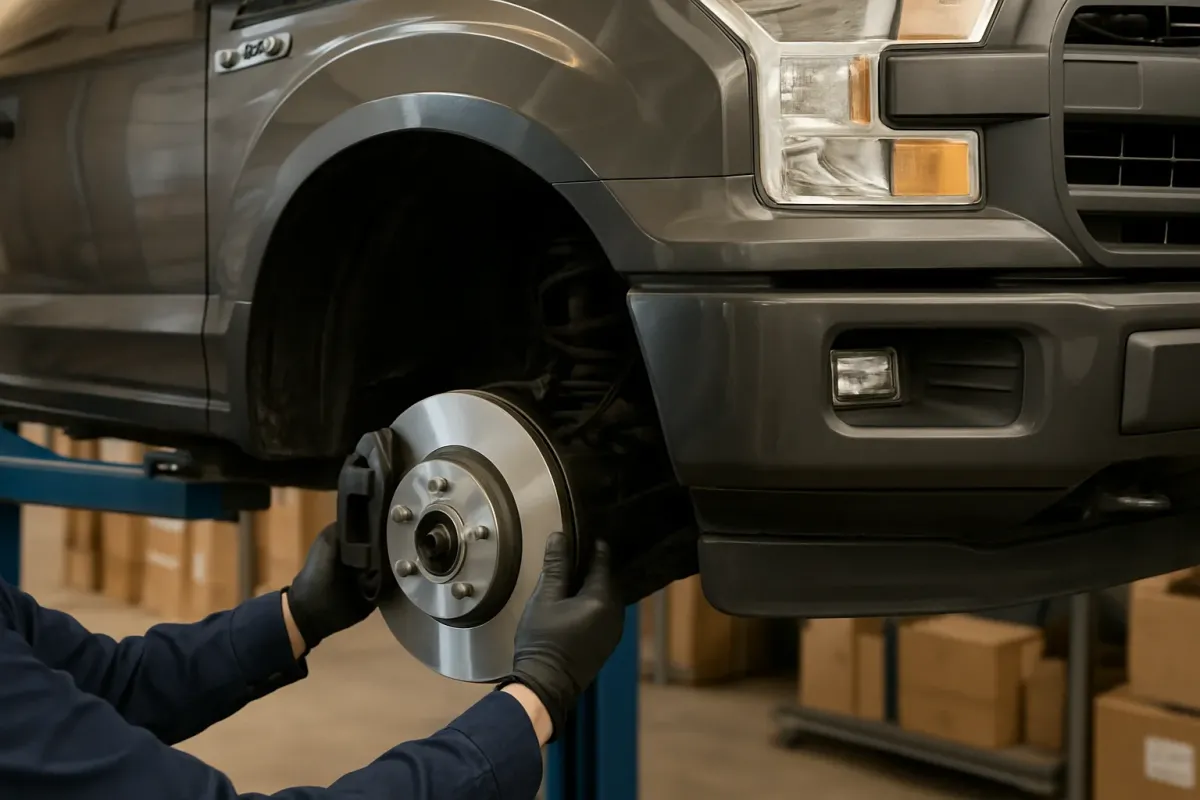
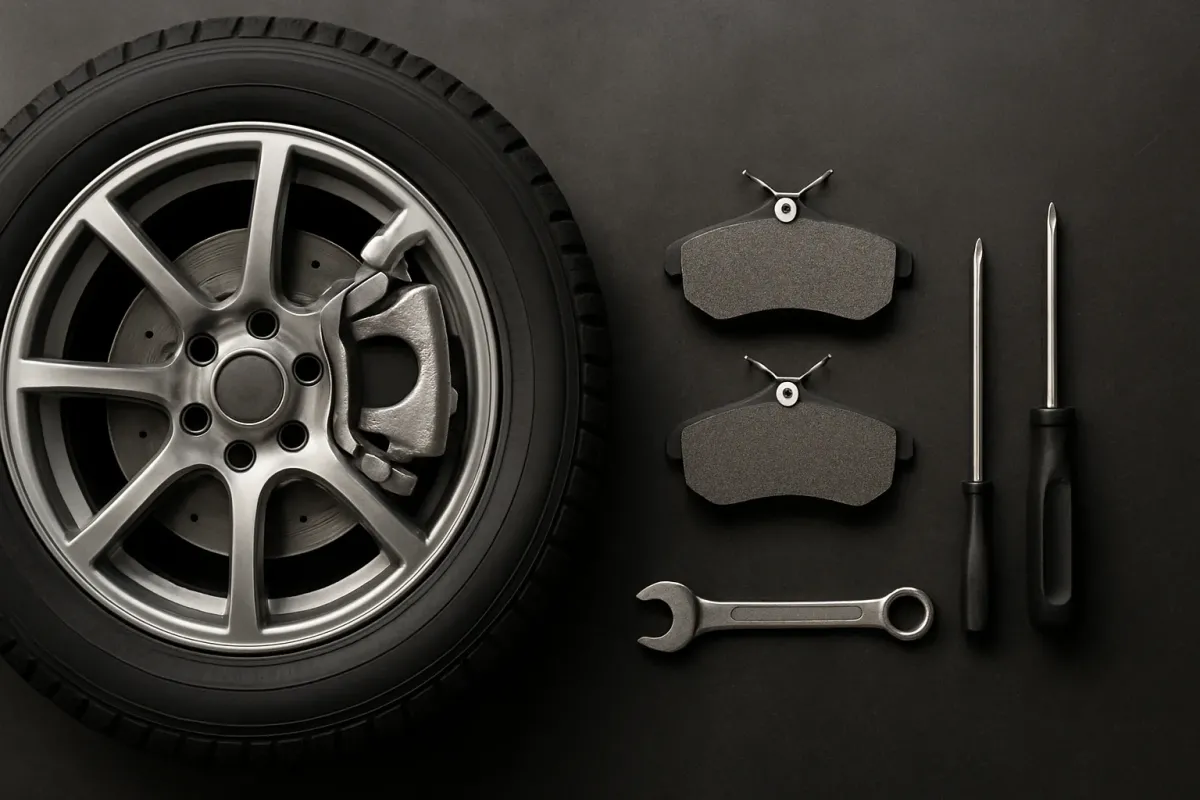
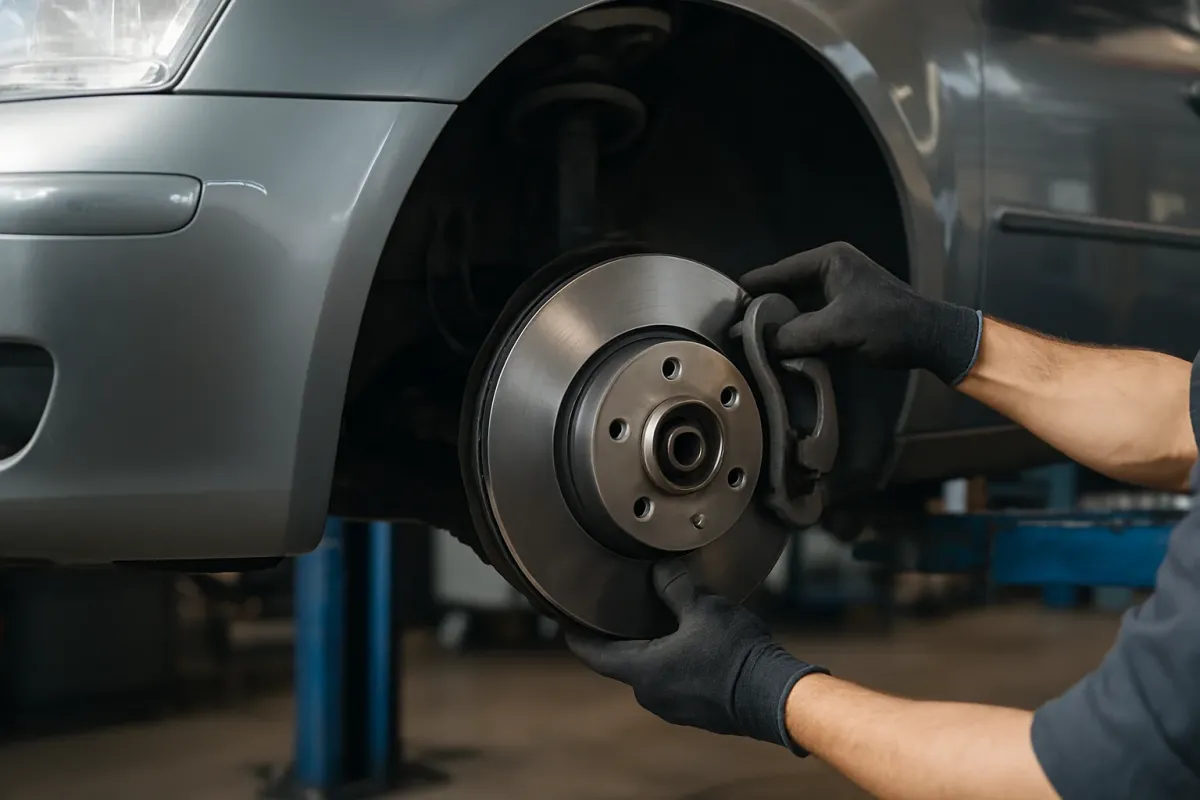
How to choose body panels, add-on parts & accessories for US cars correctly
What really matters for body, add-on parts and accessories for US cars: fitment, material, approval and installation tips for DIY mechanics.
Overview: Body panels, add-on parts & accessories for US cars
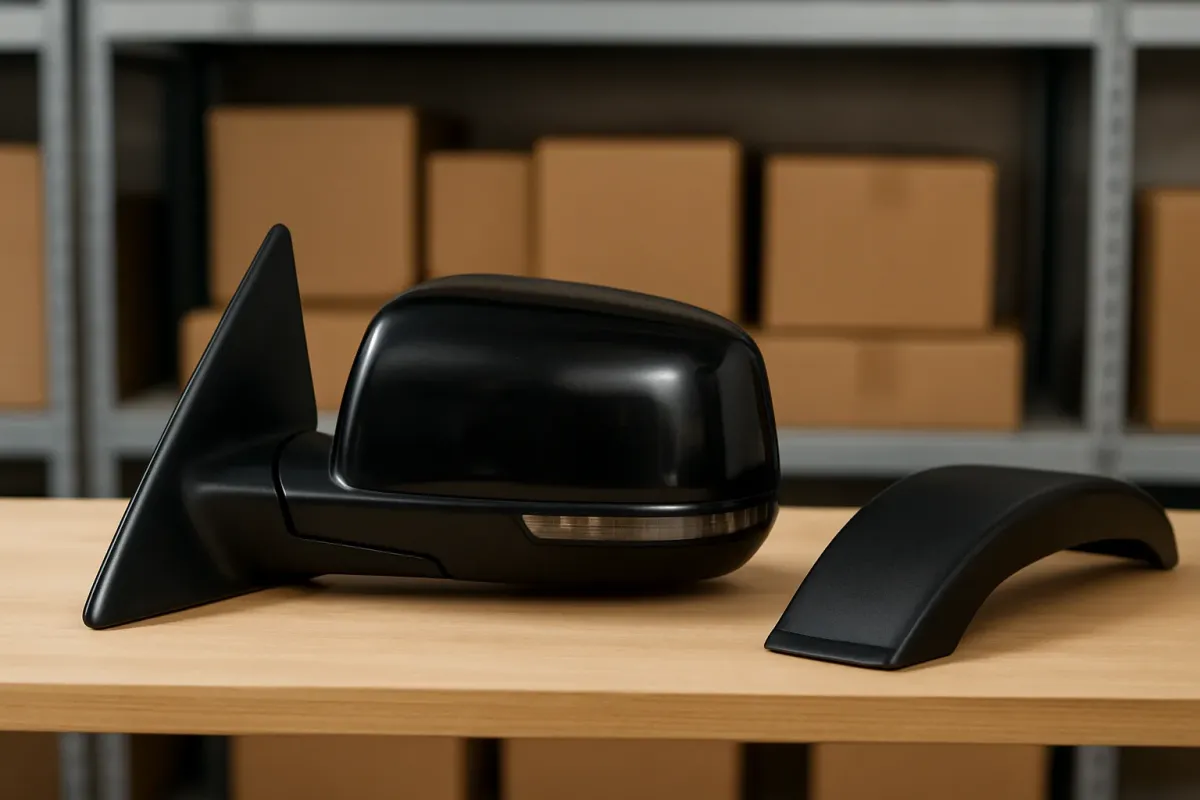
Body and add-on parts change the appearance, aerodynamics and sometimes also the function of your US car. At the same time they affect corrosion protection, safety and roadworthiness. Anyone who works on their car should know the differences in materials, fitment and fastenings – and know when to follow the instructions or the service manual.
The category of body and add-on parts includes, among other things, bumpers, spoilers, side skirts, fenders, hoods and grilles. An overview of typical parts can be found in the category Karosserie-, Anbauteile & Zubehör.
Important assemblies and their specifics
Bumpers & reinforcements
Bumpers and their reinforcements are safety-relevant components. Depending on the US car, sensors, cameras, headlight washer nozzles, air guidance and crash sensors can be integrated into the bumper.
- Materials: Plastic (usually with a carrier/reinforcement made of steel or aluminum), less commonly GRP or carbon in the aftermarket sector.
- Fitment: Front and rear are often model- and facelift-dependent, sometimes also trim-dependent (e.g. GT, SS, SRT).
- Mounting points: Mounting brackets, lock carrier, wheel arch liners and underbody plastics must match each other.
When replacing, you should check in advance whether an aftermarket or tuning bumper can accommodate existing sensors, grilles and fog lights. For tightening torques of bumper carriers and crash reinforcements always use the vehicle-specific documentation or the service manual.
A selection of suitable parts can be found under Stoßstangen & -verstärker.
Front & radiator grilles
The grille determines the front appearance and influences the air flow to the radiator. Many vehicles have variants depending on engine or equipment (e.g. with camera, ACC radar, badge carrier).
- Be sure to check whether mounting points and inserts (badge, camera, sensors) can be retained.
- On vehicles with driver assistance systems, pay attention to manufacturer instructions on whether calibration is required after a grille change.
- For aftermarket grilles with a larger “opening”, ensure sufficient stonechip protection (meshes or grilles).
Various designs can be found in the category Front- & Kühlergrills.
Hoods
Hoods are available in steel, aluminum, GRP or carbon. Aftermarket hoods with air intakes or power domes can improve cooling and appearance, but demand higher requirements for fitment and installation.
- Locks & latch hooks: Must function perfectly. After conversion, always perform a functional check.
- Gas struts or hood prop: Pay attention to compatible mounting points; check load capacity according to manufacturer specifications.
- Corrosion protection: Bare steel or GRP hoods should always be primed and painted according to the manufacturer's recommendation.
For adjustment values (panel gaps, adjustment points) and tightening torques on hinges and locks always consult the vehicle's service manual.
Fenders, side panels & fuel filler caps
These components define the vehicle's side profile. Errors during installation quickly lead to uneven panel gaps, rubbing marks or corrosion problems.
- Align fenders always in conjunction with the bumper, hood and door, not in isolation.
- Wheel wells and inner wheel arch liners must fit to keep splash water and dirt away.
- After removal, check the fuel cap and filler neck for tightness and correct seating.
Suitable parts can be found under Kotflügel, Seitenwände & Tankdeckel.
Spoilers, diffusers & side skirts: styling and function
Rear spoilers and wings
Rear spoilers generally influence appearance and, at higher speeds, aerodynamics. On many US muscle cars, driving dynamics and appearance are strongly defined by the spoiler design.
Examples:
- Heckspoiler für Ford Mustang 2015 - 2023 GT Performance Stil
- Heckspoiler für Chevrolet Camaro 2016 - 2023 ZL1/1LE Stil schwarz glänzend
Important points when selecting:
- Mounting method: Bonded, bolted or a combination of both. Bolted spoilers often require drilling into the trunk lid.
- Hole pattern: For vehicles with a factory spoiler, check whether existing holes can be reused.
- Sealing: Carefully seal all penetrations through the trunk lid (observe manufacturer specifications) to prevent water ingress.
- Approval: Pay attention to included approval documents and notes for registration.
Diffuser and rear valances
Diffusers change the rear appearance and air flow under the vehicle. An example part for an SUV is mentioned here:
Heckdiffusor für Jeep Grand Cherokee 2014 - 2021 SRT
The following is important during installation:
- Compatibility with the respective bumper (standard or SRT bumper, note facelift).
- Cut-outs for tailpipes: position and size must match the exhaust system and suspension.
- Reinstall underbody protection and heat shields completely after modification.
Side skirts
Side skirts emphasize the vehicle's flank and can improve lateral air flow. Typical examples are aftermarket skirts for Mustang and Camaro:
- Seitenschweller für Ford Mustang 2015 - 2023 GT350 Stil
- Seitenschweller für Chevrolet Camaro 2016 - 2023
Decisive factors are:
- Vehicle fitment: Pay attention to model years, body style (coupe/convertible) and, if applicable, special editions.
- Mounting: Often a combination of screws from underneath and adhesive tape at the side sill edge.
- Ground clearance: For lowered vehicles, check whether curbs and lifts can still be used without issues.
Further variants and styles can be found in the category Seitenschweller.
Materials and finishes: what to watch for?
The following materials are typically used for body and add-on parts in the aftermarket:
- ABS plastic: Common for spoilers, skirts and diffusers. Usually good fitment, lightweight and relatively impact resistant.
- GRP (glass-fiber reinforced plastic): Sturdy, but often involves more rework for fitting and filling.
- Carbon fiber: Very light and stiff, visually high-quality, requires careful processing and surface protection.
- Steel/Aluminum: Mainly for structural body parts; observe corrosion protection (priming, cavity preservation).
Many parts are supplied primed or unpainted. Procedure:
- First perform a test fit (mount without final fastening), check panel gaps.
- Carry out necessary adjustments (e.g. slight filing of the holes) before painting.
- Observe the manufacturer's painting instructions; certain plastics require a special adhesion primer.
Check fitment: test before painting
Especially for aftermarket parts for US cars, a trial installation is mandatory before spending money on painting or wrapping.
- Fit all fastenings loosely and tighten step by step to avoid stresses.
- Adjust panel gaps to adjacent components (hood, doors, bumper) symmetrically.
- For parts with flaps or doors (fuel flap, trunk lid with spoiler) check freedom of movement.
- Consider ground contact during compression and rebound (suspension travel), steering lock and driving on/off curbs.
If the fitment is not satisfactory, always make changes carefully and take care not to weaken the component's structure. For larger deviations, consult the supplier or manufacturer.
Installation practice: general tips for DIY mechanics
Tools and preparation
For most body and add-on parts standard tools are sufficient:
- Socket and ring spanner set (metric and imperial, depending on the vehicle).
- Plastic trim tools for removing clips to avoid scratches.
- Drill, step drill and deburring tool for spoiler or skirt fastenings, if required.
- Torque wrench to tighten safety-relevant connections according to manufacturer specification.
- Cleaner (suitable for removing silicone) and, if necessary, primer for bonding.
Tightening torques and special disassembly instructions (e.g. for airbag sensors near bumpers) should always be looked up in the vehicle-specific service manual, as these vary widely by model and year.
Body drilling and corrosion protection
If drilling into sheet metal is required for spoilers, skirts or add-on parts:
- Carefully mark drill positions using the template or dimensions provided by the manufacturer and double-check.
- Deburr the holes and seal the cut edges with suitable primer or paint.
- Treat cavities that become accessible through new openings with cavity protection if necessary.
- Use sealing washers and sealants according to the manufacturer's instructions.
Bonding of add-on parts
Many modern add-on parts are at least partially attached with automotive bonding tape or adhesive.
- Thoroughly clean surfaces, make them free of grease and silicone.
- Observe the recommended processing temperature and curing time of the adhesive.
- After positioning the part, keep it fixed for the specified time (tape, clamps) without introducing stress.
Legal aspects and TÜV
For many visible body modifications, the legal situation must be observed. Common points:
- Check the part approval certificate (Teilegutachten) or the ABE of the manufacturer; they contain conditions and installation instructions.
- Modifications that affect dimensions, sharp edges or pedestrian protection may require inspection/approval.
- When combining several tuning parts (e.g. front spoiler, side skirts, lowering) pay attention to the overall situation: ground clearance, wheel freedom, lighting heights.
If in doubt, it is worth talking to a testing authority or a qualified workshop before carrying out extensive modifications.
Frequently asked questions
How do I find out if a body part fits my US car?
Decisive factors are manufacturer, model, year, body style and often also engine or trim level. Matching the item description is mandatory. For parts such as bumpers or skirts also check facelift status and special models (e.g. GT, SRT, ZL1). If in doubt, have the VIN (vehicle identification number) ready and cross-check it with the information in the parts catalog or with the supplier.
Can I install body and add-on parts myself or do I need a workshop?
Many things can be done yourself with normal mechanic experience, such as changing spoilers, skirts or grilles. Work on safety-relevant parts (bumper reinforcements, crash sensors, airbag area) requires careful procedures and the service manual. If electrical components, airbags or driver assistance systems are affected, a visit to a specialist workshop or at least a subsequent check is advisable.
Do I have to go to the TÜV after body modifications?
That depends on the respective part and the legal situation. Parts with ABE can often be used without registration, for parts with a Teilegutachten an inspection is usually required. If vehicle dimensions, ground clearance or sharp edges are changed, registration may also be necessary. Binding information is in the approval documents or the ABE of the part; if unclear, you should consult a testing authority before the modification.