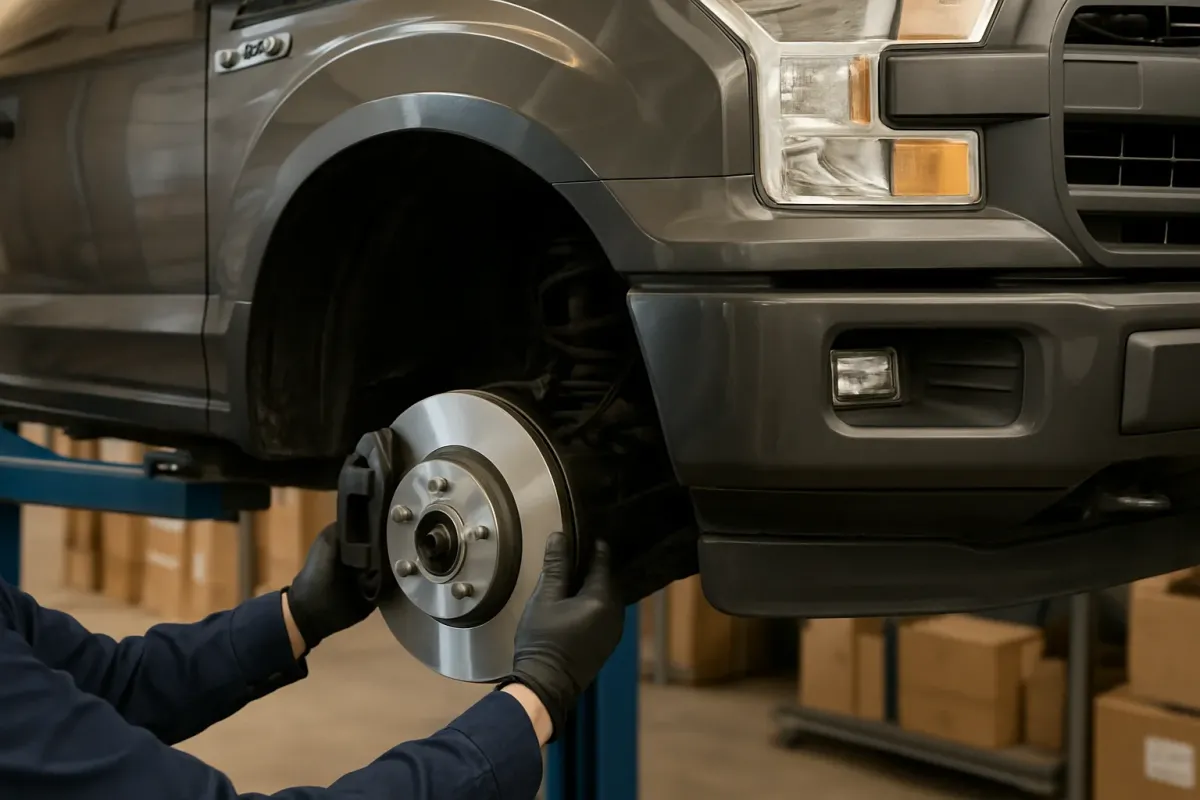
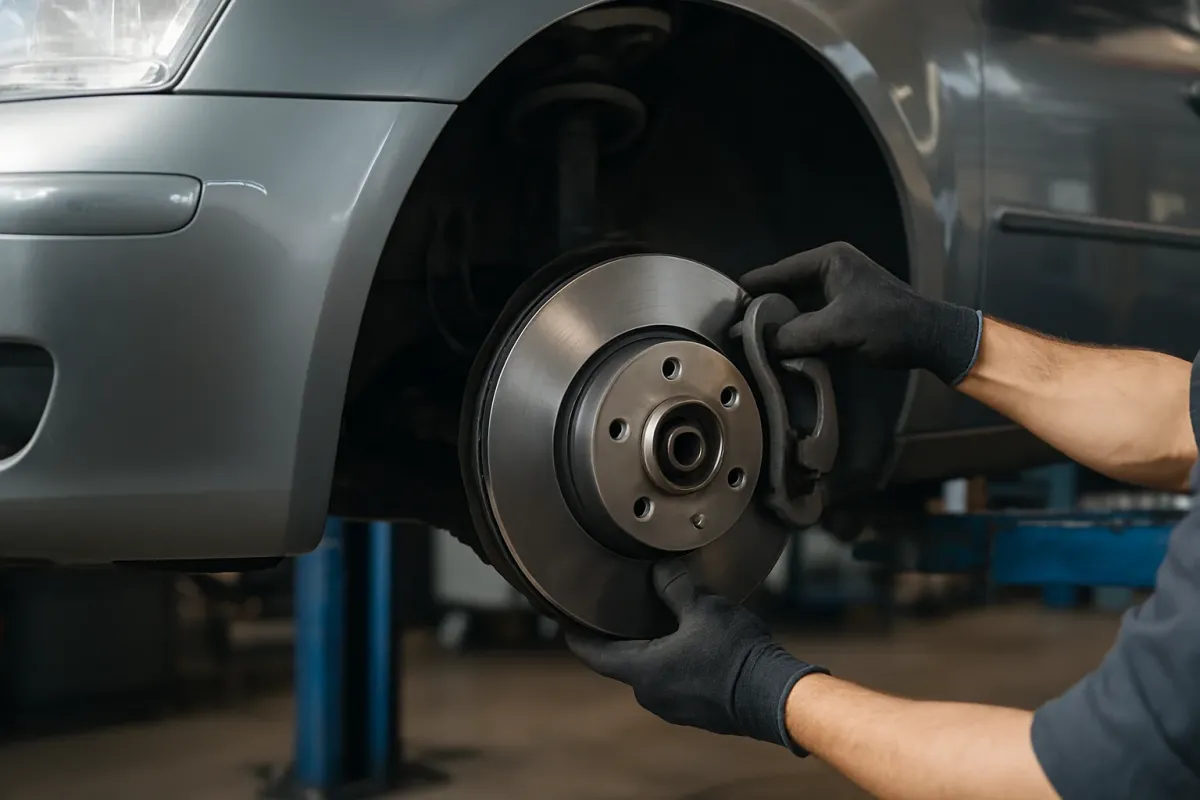
Brakes & Brake Parts for Cadillac Escalade: Selection and Installation
How to choose the right brakes for your Cadillac Escalade, recognize wear and follow the key steps during installation.
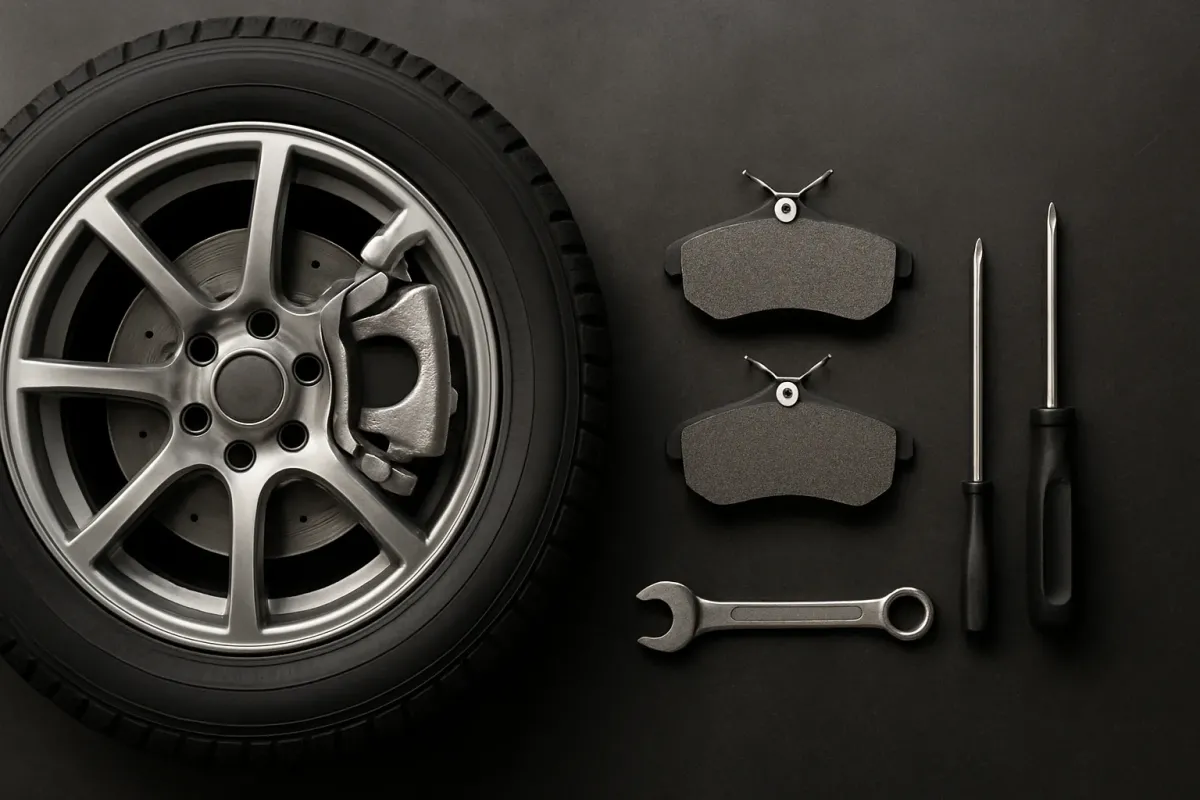
Overview: Brakes on the Cadillac Escalade
The Cadillac Escalade is heavy and powerful, so the demands on brakes and brake parts are correspondingly high. Anyone working on an Escalade themselves should carefully select the appropriate components and proceed systematically during installation.
This guide focuses exclusively on the Cadillac Escalade and provides practical guidance on selection, fitment, wear detection and the basic steps for replacing brake rotors and brake pads.
Brakes & Brake Parts for the Escalade: What’s Included?
The brake system of the Cadillac Escalade consists of several components that may need to be replaced individually or as a set depending on mileage and condition:
- Brake rotors front and rear (depending on configuration)
- Brake pads (pad assemblies) front and rear
- Calipers and bracket mounts
- Brake shoes (e.g. for the parking brake on the rear axle or drum brake, depending on configuration)
- Small parts and accessories such as retaining clips, rubber guides, bleeder nipples, bolts
- Brake lines (steel line) and brake hoses (flexible)
- Brake fluid with the vehicle-appropriate specification
A good overview of the assemblies can be found in the category Bremsen & Bremsenteile.
Finding the Right Brake Parts for Your Cadillac Escalade
Why exact matching is so important
Brake parts for the Cadillac Escalade vary by production period, trim level, drivetrain (e.g. AWD) and in some cases by the installed brake system. Rotors and pads can differ in diameter, thickness and the shape of the backing plate.
Incorrectly matched parts can lead to, among other things:
- poor or uneven braking performance
- squealing or grinding brakes
- overheating and accelerated wear
- issues during vehicle inspection and a hazard to road safety
Use vehicle documents and the shop vehicle selector
Since details differ by model and year, you should always:
- Have your vehicle documents (e.g. registration certificate) ready.
- Check the exact type of your Cadillac Escalade and the drivetrain (e.g. AWD).
- Select the correct Escalade in the shop’s vehicle selector before ordering brake parts.
Examples of model-specific parts in the shop:
- Brake pads / rear brake pads for Cadillac Escalade 2001 - 2006 AWD
- 2x brake rotors + front brake pads for Cadillac Escalade 2002 - 2006
- Brake pads / rear brake pads for Cadillac Escalade / Chevrolet Tahoe 2003 -
Always take the exact versions and compatibility from the product descriptions and compare them with the information in your vehicle documents.
Types of Brake Parts for the Escalade
Brake rotors
The Cadillac Escalade uses different types of rotors depending on the variant. Important selection criteria:
- Dimensions (diameter, thickness, minimum thickness): always compare with the existing rotors and the data in the vehicle documents.
- Design: plain, vented, possibly drilled or slotted (depending on the manufacturer’s range).
- Mounting: bolt circle, centering, rotor height.
Brake rotors for various US models, including the Escalade, can be found in the category Bremsscheiben.
Brake pads
Brake pads differ in geometry, thickness and friction material. The Escalade typically uses disc brakes with pads on the front and rear axles.
Note the following:
- Shape of the backing plate (must fit exactly into the caliper/bracket)
- Total thickness of the pad (backing plate + friction material)
- Sensor/acoustic wear indicator, if applicable
- Friction material (e.g. organic, semi-metallic, ceramic depending on available options)
A wide selection of pads can be found in the category Bremsbeläge.
Calipers, brackets and brake shoes
Calipers and their associated brackets wear over the years, especially at guide bolts and seals. Sticking pistons or stiff guide pins lead to unevenly worn pads and overheated rotors.
Brake shoes are used on the Escalade depending on the configuration, for example in the parking brake or drum brakes on the rear axle. Exact fitment is crucial here because the brake cylinder travel is limited.
Appropriate components can be found in the category Bremssättel & -halterungen as well as in the category Bremsbacken.
Detecting Wear: When Must Brakes on the Escalade Be Replaced?
Typical signs of worn brake pads
- Squealing noises when braking (metal-on-metal or wear indicator)
- Noticeably longer stopping distances or a soft brake pedal (check after bleeding)
- Unevenly worn pads left/right or inner/outer
- Heavy brake dust on individual wheels (indicator of dragging pads)
Take the minimum permissible pad thickness from the manufacturer’s specifications or the workshop documentation. Do not fall below this.
Worn or warped rotors
- Steering wheel shimmy or vibrations when braking
- Vehicle pulls to one side when braking (check together with pad wear)
- Grooves, bluish spots or extensive rust pitting on the rotors
The minimum thickness of the brake rotors is specified in the technical documentation for the Cadillac Escalade. Falling below this requires mandatory replacement. Please measure the rotor thickness and compare it with the values in the vehicle documentation or a professional repair manual.
Basics of Replacing Brake Rotors and Brake Pads
Replacement on a heavy SUV like the Cadillac Escalade should only be carried out if you have sufficient experience, appropriate tools and a safe working environment. Always work axle-wise (left and right of the same axle) and follow the specifications in the repair instructions or the service manual.
General preparation
- Secure the vehicle on a level surface, engage the parking brake (if not required on the axle being worked on), use wheel chocks.
- Loosen the lug nuts before lifting, then safely jack up the vehicle and secure with jack stands.
- Remove the wheel and visually inspect the brake system (hoses, lines, seals).
Brake pad replacement (schematic procedure)
- Unbolt the caliper and remove the retaining bolts with appropriate tools. Look up exact torque specifications in the vehicle documentation.
- Carefully remove the caliper and set it down so the brake hose is not under tension (e.g. hang it on the suspension with wire).
- Remove the old pads, check retaining clips and anti-rattle plates and renew if necessary.
- Clean the guide pins and lightly lubricate with suitable high-temperature brake grease (not on friction surfaces), if specified.
- Slowly retract the caliper piston with an appropriate piston retraction tool. Monitor the brake fluid level in the reservoir.
- Install the new brake pads, ensuring correct positioning (inner/outer, with wear indicator if applicable).
- Refit the caliper, tighten bolts to the torque values specified in the documentation.
- Pump the brake pedal several times until a firm pressure point is present.
Replacing rotors (in addition to pad replacement)
- After removing the caliper and, if applicable, the caliper bracket, unfasten the rotor retention (e.g. retaining screws, if present).
- Remove the old rotor; if it is seized, appropriate use of penetrating oil and gentle taps with a rubber mallet can help.
- Thoroughly clean the wheel hub (remove rust and dirt) to ensure the new rotor runs true.
- Mount the new rotor, ensuring clean mating surfaces.
- Reinstall the caliper bracket (if removed) and tighten to the torque values specified in the vehicle documentation.
- Then, as with the pad replacement, install new brake pads and fit the caliper.
Specific torque values, sequence for multi-piston calipers and special notes (e.g. for an electronic parking brake, if present) should be taken exclusively from the official repair documentation or the Cadillac Escalade service manual.
Bed-in and Inspection After Replacement
Bed-in phase for new brakes
New rotors and pads on the Cadillac Escalade require a bedding-in phase so the friction partners properly mate. Observe the following:
- Avoid heavy full-force stops for the first 200–300 km, as far as traffic conditions allow.
- Perform several medium decelerations from moderate speed so the pads bed in evenly.
- Prevent overheating (e.g. avoid long downhill stretches with continuous braking immediately after installation).
Post-installation check
- Retorque the lug nuts after a few drives (torque values see vehicle documentation).
- Visually inspect the brake system: check for leaks, even pad contact, no rubbing marks outside the friction surface.
- Watch for unusual noises, vibrations or pulling when braking.
Complete Kits and Accessories for the Escalade
For the Cadillac Escalade it is often advisable to renew not only individual components but complete axle kits. This ensures braking force and wear are as identical as possible on both sides of an axle.
In the category Bremsenkomplettsätze you will find kits that include rotors and pads for one axle. Also pay strict attention to matching these to your specific Escalade model based on the vehicle documents.
Other parts around the brake system — for example accessories, individual small parts or special solutions — can be found in the category Sonstige.
Common Mistakes When Changing Brakes on the Escalade
- Guessing torque specs: Torques must not be estimated. Always use official documentation.
- Hanging the caliper from the brake hose: leads to damage to the hose. Always support or hang the caliper securely.
- Greasing friction surfaces: Grease or brake paste has no place on rotors and pads.
- Single-side replacement only: Always replace pads and rotors axle-wise left/right.
- No bleeding after hydraulic work: After opening the system, proper bleeding is mandatory.
Frequently Asked Questions
Which brake pads will fit my Cadillac Escalade safely?
Always use the exact model designation, drivetrain and year from your vehicle documents and select the Escalade in the shop’s vehicle selector. Additionally compare the specifications (e.g. version, axle, possibly AWD) in the product description with your documents and — if possible — with the currently installed parts.
Can I replace rotors and pads on the Cadillac Escalade myself?
If you have sufficient DIY experience, appropriate tools and a safe working environment, you can carry out the replacement yourself. Strictly adhere to the specifications in the repair documentation, in particular the torque specifications and the prescribed brake fluid specification. If in doubt, a professional workshop is the safer choice.
How often do brakes need to be replaced on the Escalade?
There is no fixed mileage interval, as service life depends heavily on driving style, usage (city, country, towing) and pad/rotor quality. Regularly check pad thickness and rotor thickness and compare them with the minimum values in your vehicle documents. At the latest, if you notice a drop in performance or anomalies (noises, vibrations), have the brake system inspected and replace worn components.