Dodge Charger: models, technology and typical weak points
Practical overview of the Dodge Charger with focus on technology, known weak points and maintenance tips for hobby mechanics.
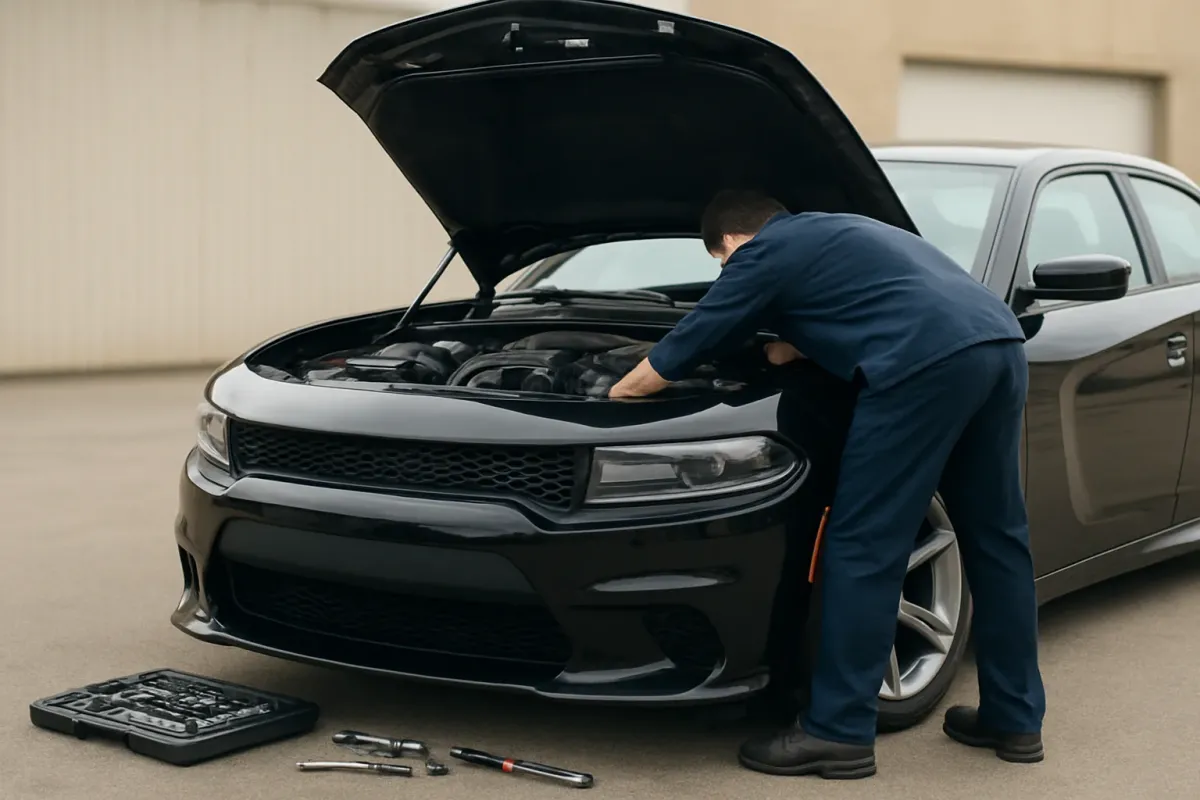
Overview: The Dodge Charger in transition
The Dodge Charger is one of the best-known US sedans with a focus on performance. Depending on model year and generation, technology, chassis and typical weak points differ significantly. Anyone who wants to work on a Charger themselves should know their specific model (series, model year, engine code) exactly, as many details such as brakes, suspension and electrics changed within just a few years.
Broadly, modern Chargers can be divided into several groups:
- Classic Charger (1960s/1970s, rear-wheel drive, carbureted engines)
- Front-wheel-drive Chargers of the 1980s (technically built completely differently)
- Charger LX/LD platform (from around 2006, often as a sedan with V6 or HEMI V8)
This article focuses primarily on the more modern Charger generations, as these are more commonly used daily and serviced privately today.
Engines and drivetrain
V6 and V8 engines
Modern Chargers are typically equipped with V6 or V8 engines. Exact power figures and variants depend on the model year. Common types include:
- V6 engines as everyday powerplants, usually paired with an automatic transmission
- HEMI V8s in various output levels, sometimes with cylinder deactivation
- High-performance SRT and Hellcat variants with forced-induction V8 engines
Cylinder deactivation (on some HEMIs) can contribute to increased deposits in the oil system during short urban trips. Regular oil changes according to the manufacturer's recommendations are particularly important here.
Typical problems with engine and peripherals
Depending on engine and model year, recurring problems occur. Examples that are common in practice:
- Leaks at valve cover gaskets or oil pan gaskets, recognizable by oil traces on the block or the underbody.
- Dirty throttle body, which can lead to rough idle or poor throttle response.
- Faulty sensors (e.g. mass airflow sensor, crankshaft position sensor) that trigger warning lights and can cause limp mode.
- Ignition issues due to aged spark plugs or ignition coils, especially at mileages over 100,000 km if maintenance intervals were missed.
Fault codes should be read out with a suitable diagnostic tool. Interpretation and exact test procedures can be found in the factory-specific repair documents or in the original service manual.
Transmission
Most Chargers are equipped with automatic transmissions. Different transmission types are used depending on model year. Many manufacturers market these transmissions as "maintenance-free". In practice, however, a fluid change is often sensible, especially when towing or under sporty driving conditions.
Points to note:
- Use only the transmission fluid specified in the vehicle documentation.
- Always refer to the manufacturer documentation for fill volumes, torque values for the oil pan and service intervals.
- If you experience shifting problems, first check the fluid level and possible leaks before suspecting sensors or the transmission itself.
Suspension and brakes
Front and rear axle
Modern Charger generations with rear-wheel drive feature a more complex multi-link rear suspension and an elaborate front suspension. Wear often shows up as knocking, rattling and unevenly worn tyres.
Commonly wearing components:
- Control arm bushings at front and rear
- Sway bar links
- Tie rod ends and ball joints
- Shock absorbers, especially on lowered vehicles or with hard driving
After working on suspension and steering, a subsequent wheel alignment is recommended to avoid tyre wear and poor handling.
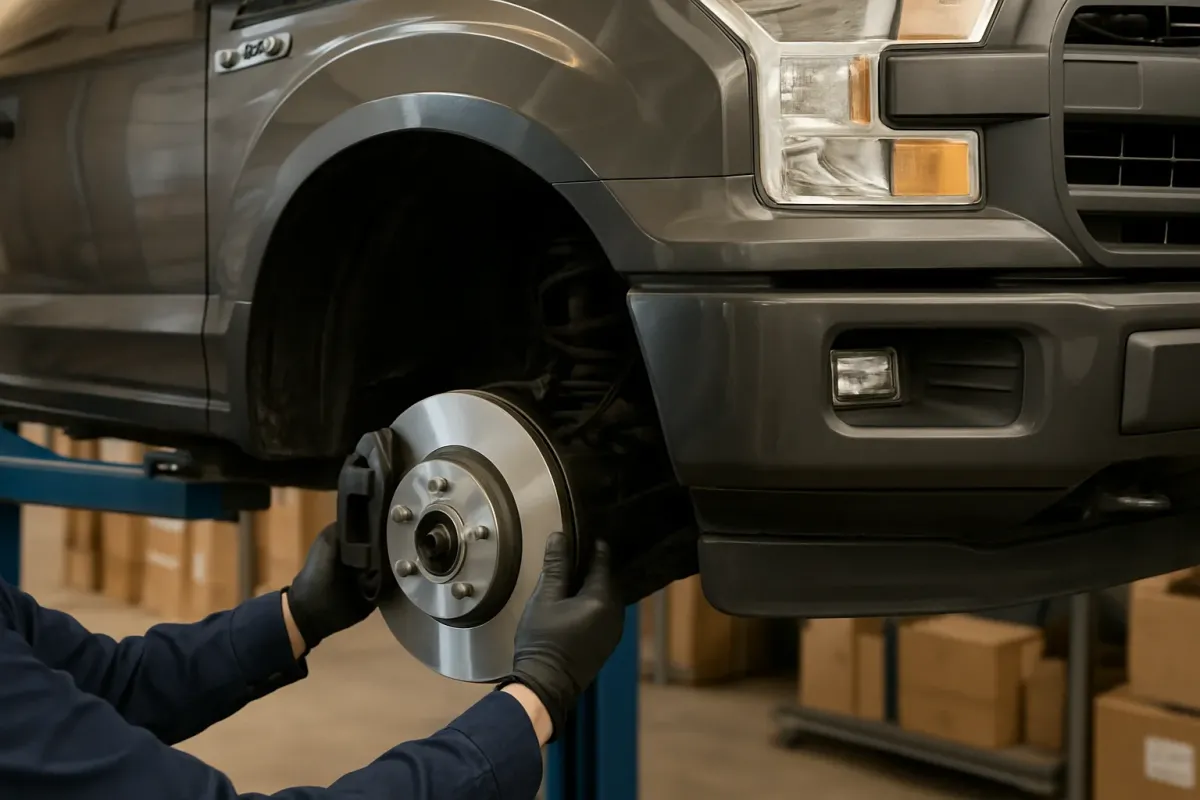
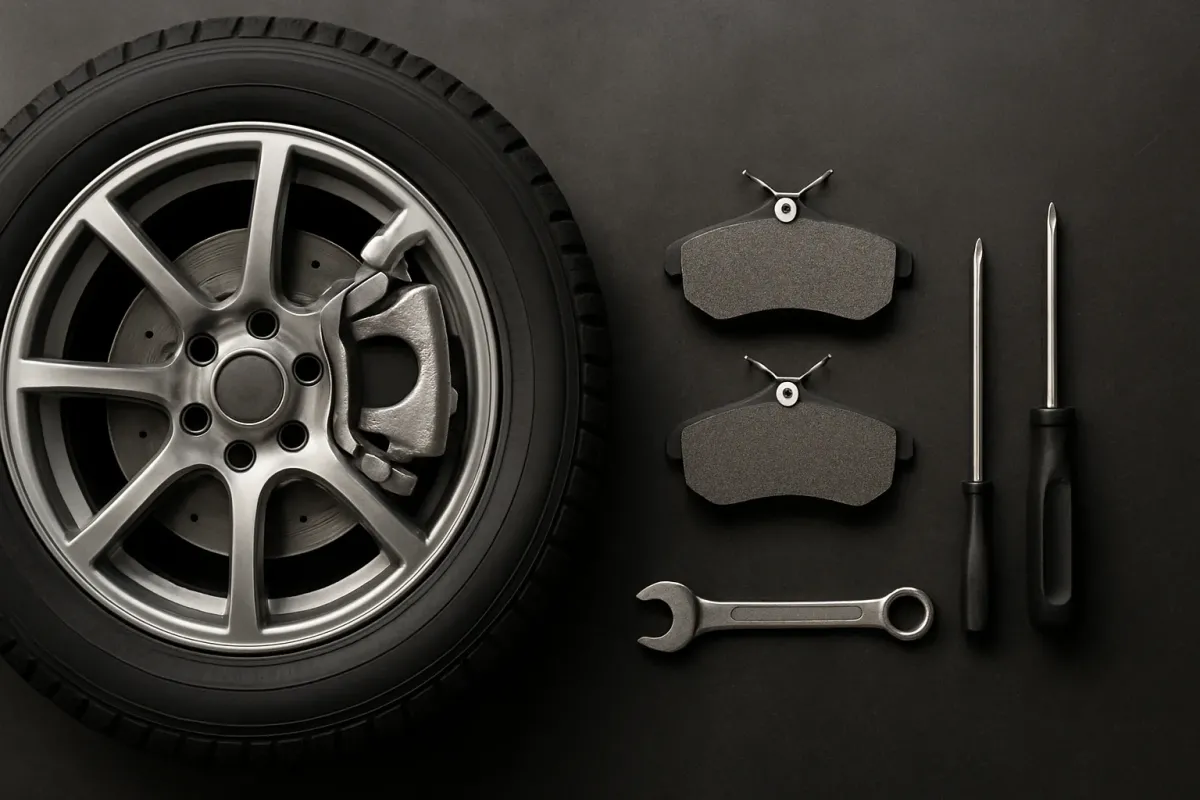
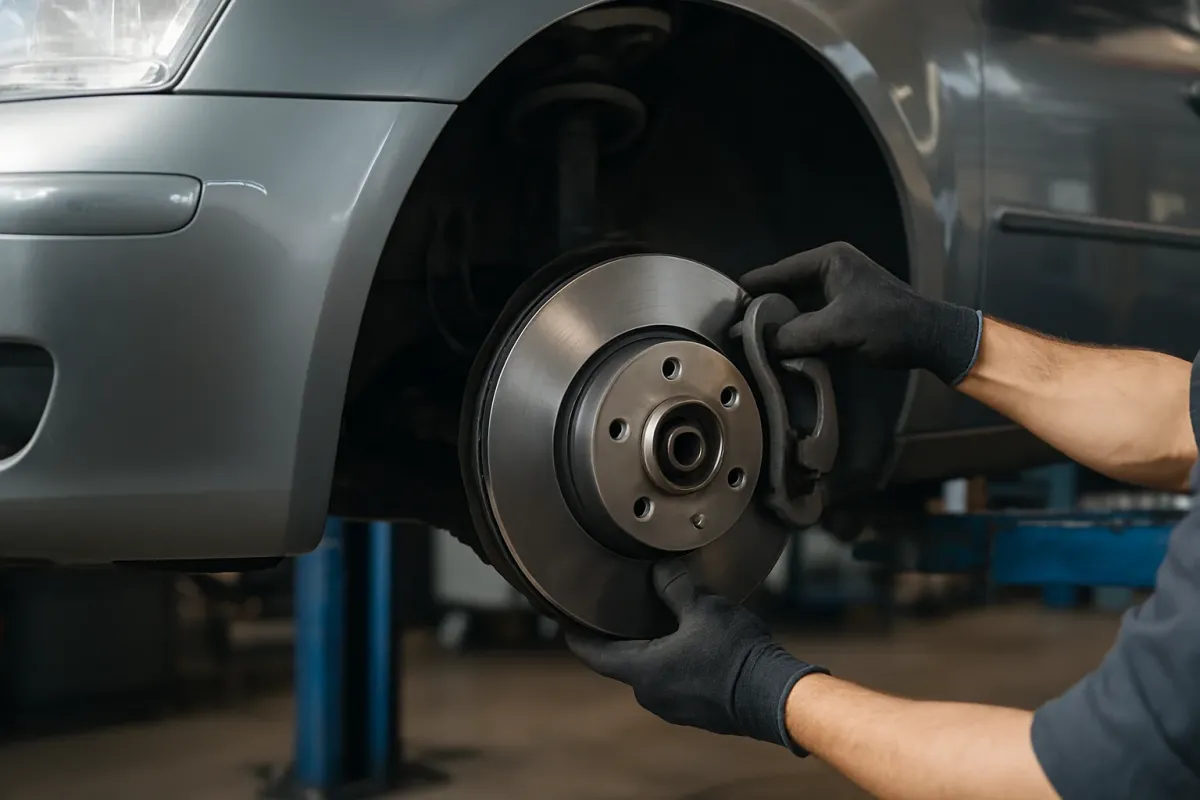
Brake system
Depending on the engine, different brake packages are installed on the Charger, sometimes with larger discs and multi-piston calipers on high-performance variants.
Important points for hobby mechanics:
- Before work, always check which brake system is installed (disc diameter, caliper type, optionally use PR codes or equipment lists).
- When replacing rotors and pads, pay attention to correct installation orientation, directional fitment information and clean contact surfaces.
- Never estimate torque values (e.g. for caliper brackets, wheel bolts); look them up in the workshop manual.
- After working on the brake system always perform a cautious brake test before driving the vehicle under normal conditions.
Bodywork, interior and electrics
Rust and bodywork
Compared to older US cars, modern Chargers are better protected against rust. Problem areas can still occur, especially on vehicles from regions with heavy road salt:
- Edges of the rear wheel arches
- Lower edges of the doors and the trunk lid
- Mounting points at front and rear axle
- Underbody areas with damaged underseal
Regular inspection on a lift or in a pit helps to detect early rust spots. Smaller areas should be thoroughly de-rusted, treated and re-sealed to prevent consequential damage.
Interior and comfort systems
Typical signs of aging in the interior are:
- Worn or torn seat bolsters, especially on sport seats
- Squeaking or rattling interior trim
- Malfunctions of power window regulators or door locks
Many interior parts are retained with clips. When removing them, it is advisable to use suitable plastic trim tools to avoid scratches. Clips can break and should be replaced if necessary.
Electronics and control units
Modern Chargers have numerous control units (engine, transmission, body, infotainment). Electrical problems often manifest as error messages in the instrument cluster, failure of individual comfort functions or starting problems.
Troubleshooting procedure:
- Read the fault memory with a suitable diagnostic device.
- Perform a visual check of connectors, fuses and ground points.
- Use wiring diagrams and test procedures from the manufacturer-specific service information.
Vague or general statements from forums should always be checked against official documents, as connector locations, wire colours and pinouts can vary depending on model year and equipment.
Maintenance and service on the Dodge Charger
Oil changes and filters
Regular oil changes are crucial for the longevity of Charger engines. Important points:
- Use only oil with the specified specification (details in the owner's manual or service schedule).
- Replace the oil filter and the oil drain plug gasket as needed.
- Only take the drain plug torque from the manufacturer documentation.
- Dispose of used oil and filters in an environmentally responsible manner (e.g. at the local recycling centre or a garage with a collection point).
Spark plugs and ignition
V8 engines have many spark plugs, and replacement can be time-consuming depending on the engine series. Before working:
- Determine the engine code and the exact engine version.
- Check spark plug type, electrode gap and replacement intervals in the service schedule.
- Obtain torque values and, if applicable, the tightening method (e.g. dry or with a light torque plus an angle) from the repair manual.
When installing, pay attention to clean spark plug wells and avoid excessive torque to prevent over-threading in the cylinder head.
Cooling system
The cooling system is crucial for the life of the engine and transmission (for heat exchangers connected to the radiator). Notes:
- Use only approved coolant and do not mix with unknown types.
- Refer to the owner's manual for fill volume and mixing ratio.
- After work on the system (e.g. thermostat or water pump replacement) bleed the system properly.
An overheated engine can cause severe consequential damage. If the temperature gauge rises unusually, the vehicle should not be further stressed until the cause is found and corrected.
Tuning and modifications
Power increases, suspension modifications and cosmetic changes are common on the Charger. Important for mechanics:
- Changes to brakes, suspension and engine power can affect the operating permit and insurance.
- Check whether the parts used have certificates or approvals.
- Changes to the exhaust system and intake can affect emissions behaviour and noise level.
When registering modifications, national regulations in Europe must be observed. Before extensive changes, it is advisable to consult an inspection authority.
Safety notes for work on the Charger
Work on the vehicle carries risks, especially with brakes, steering and airbag systems. Basic notes:
- Always support the vehicle securely with appropriate jack stands; a jack alone is not sufficient.
- Before working on airbag or seatbelt pretensioner systems, disconnect the battery and observe the manufacturer-specified wait time.
- When working on high-pressure fuel systems, relieve the pressure according to the repair manual.
- Use a torque wrench and apply the official torque values from the workshop manual.
If there is any uncertainty, at least a final check by a professional workshop should be carried out, especially for safety-relevant assemblies.
Conclusion
The Dodge Charger is a versatile vehicle that ranges from the everyday-capable V6 to the very powerful V8. For hobby mechanics, the car offers many opportunities to perform maintenance and repairs themselves. It is essential to know the exact model and installed technology and to work consistently according to the manufacturer's specifications. This way typical weak points can be detected in time and larger damage avoided.
Frequently Asked Questions
What service intervals apply to the Dodge Charger?
Service intervals depend on model year, engine and market version. Exact information can be found in the owner's manual and the official service schedule. These documents also specify which oils and operating fluids to use and which jobs are due at which mileages.
How do I find out which brake system is installed on my Charger?
Decisive factors are the VIN, model year, engine and trim level. Often the data can be determined via stickers, equipment lists or the vehicle documentation. Additionally, comparing the installed parts (disc diameter, caliper design) with the information in the workshop manual helps.
Where can I get the correct torque values for my Charger?
Torque values and detailed repair information are available in the official workshop manual or in the manufacturer-specific service information. Under no circumstances should torque values be estimated or taken from unverified sources, especially for safety-relevant components such as brakes, suspension and steering.