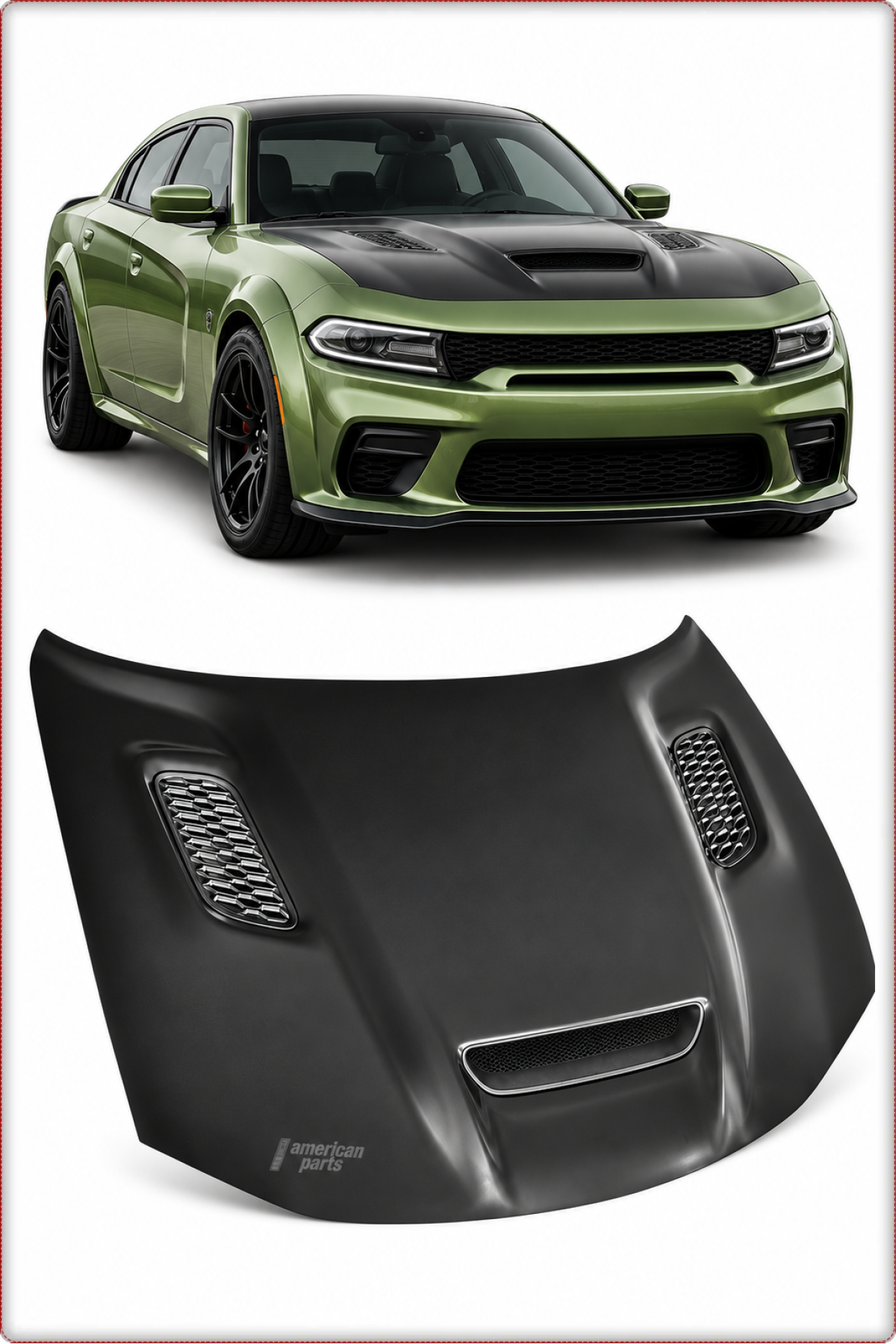
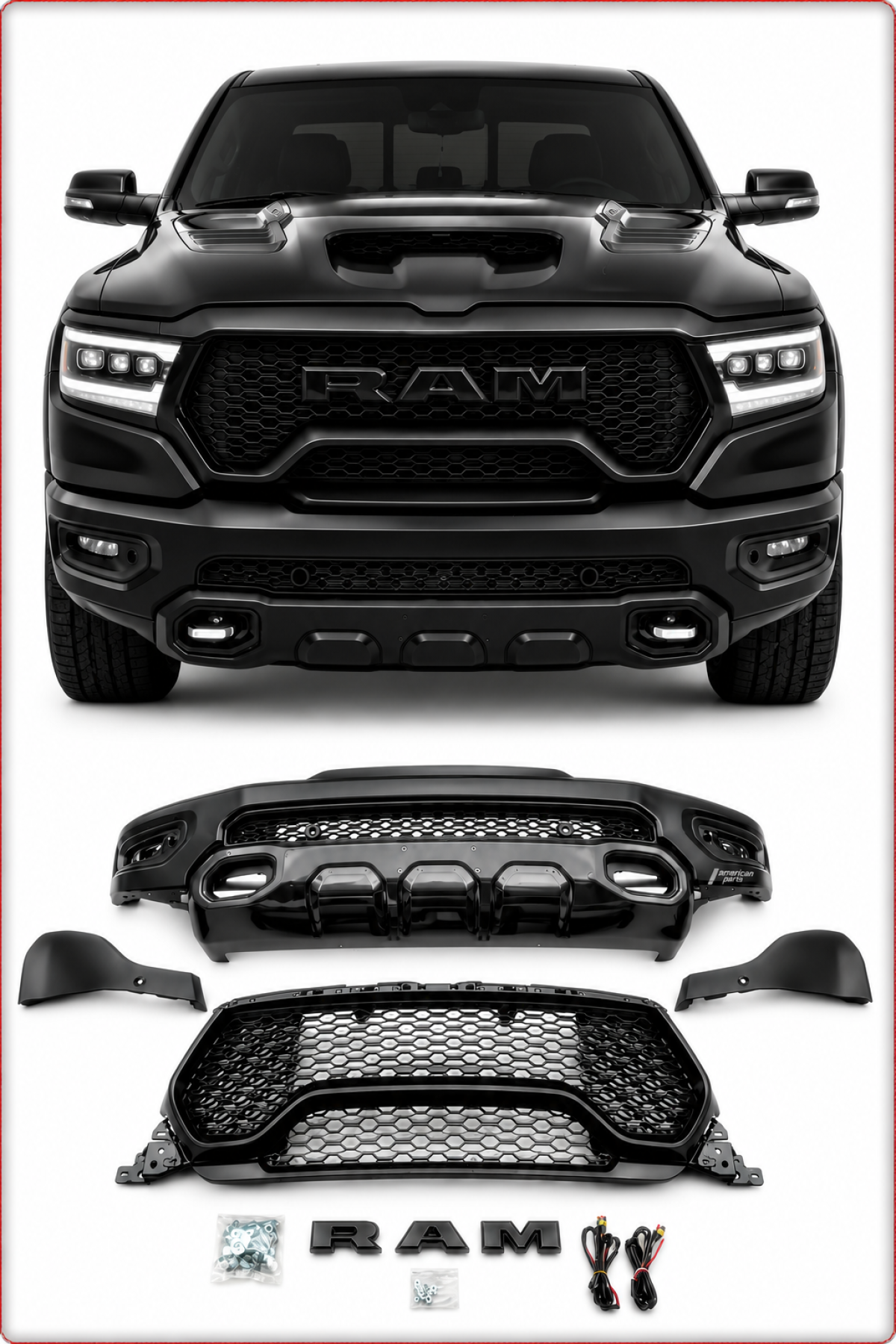
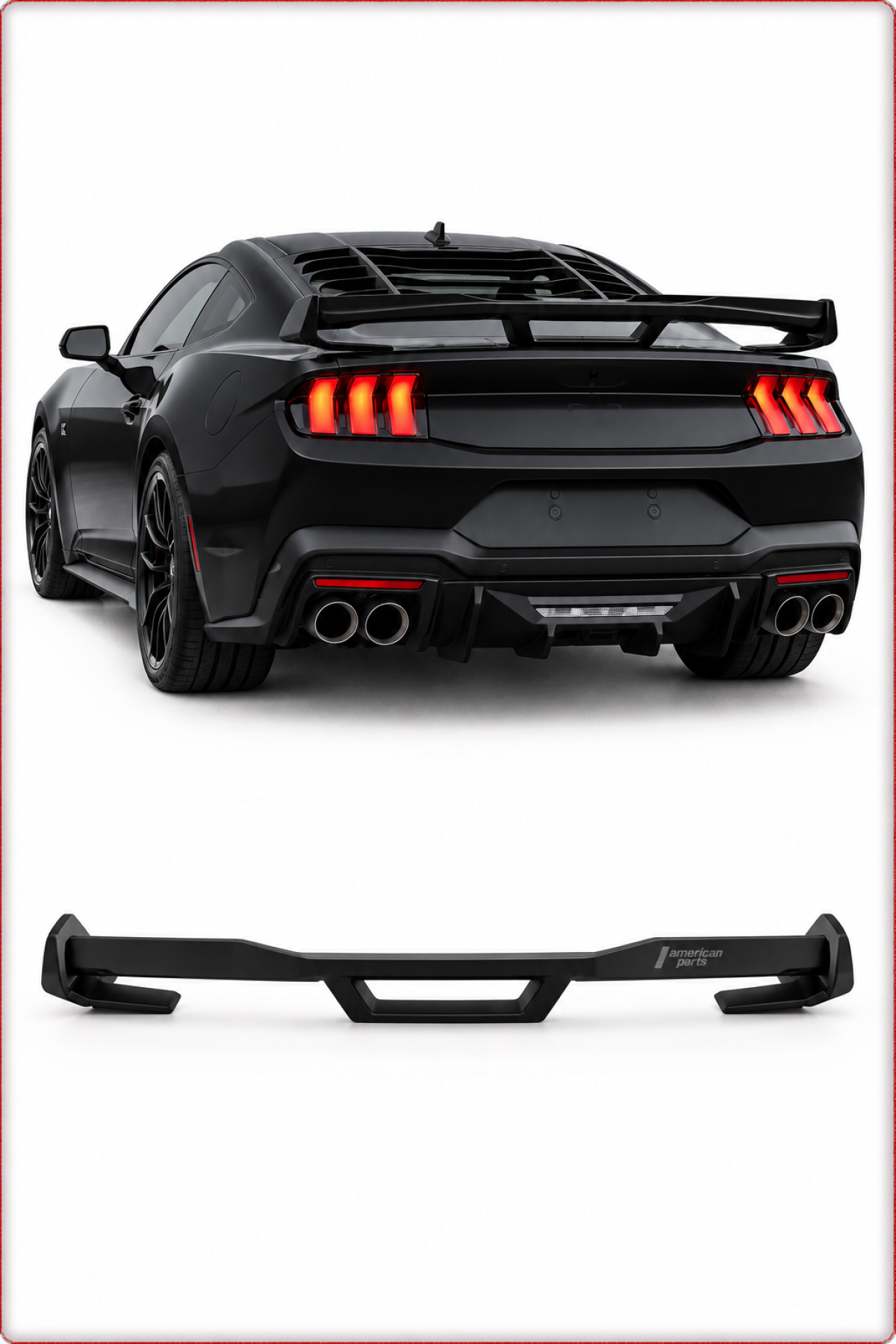
Bodywork, Add-on Parts & Accessories for the Chevrolet Camaro
Chevrolet Camaro body parts: what to check before buying. Compare vehicle fitment, kit contents and relevant products.
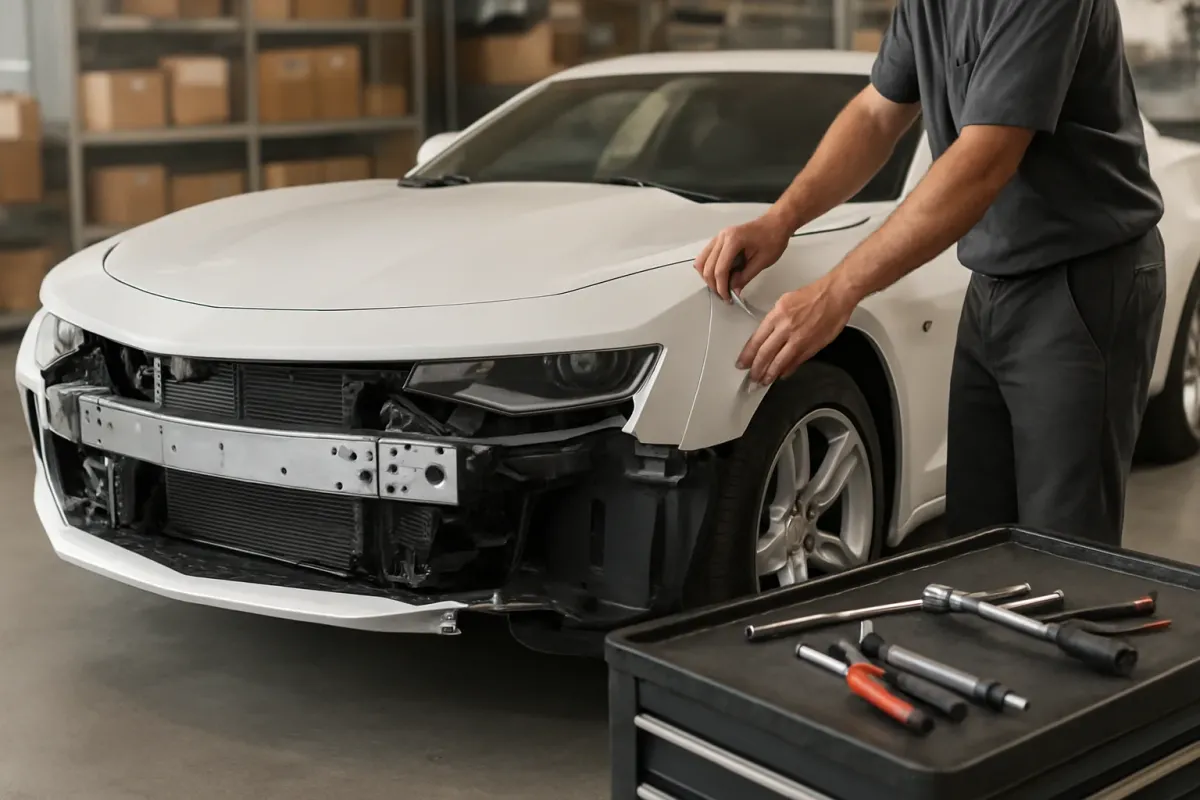
Overview: Bodywork, Add-on Parts & Accessories for the Chevrolet Camaro
On the Chevrolet Camaro, appearance and aerodynamics can be significantly altered with bodywork, add-on parts and accessories. Spoilers, side skirts, diffusers and trim pieces directly affect the vehicle’s exterior. Crucial factors are correct fitment, material quality and professional installation.
This guide deals exclusively with the Chevrolet Camaro. Notes on model years, variants or national approval regulations may differ. Always check your vehicle documents and the information in the VIN as well as the vehicle-specific selection in the shop.
An overview of bodywork, add-on parts & accessories can be found in the category Karosserie-, Anbauteile & Zubehör.
Typical Exterior Add-on Parts on the Camaro
On the Chevrolet Camaro, the following areas are most commonly modified or repaired:
- Front and rear area (bumpers, diffusers, spoilers)
- Side skirts and side panels
- Hood, fenders and side walls
- Covers and louvers in the rear area
It is important to distinguish between visual tuning, functional aerodynamic parts and repair-motivated replacement of OE parts.
Bumpers, Front Grilles & Radiator Grilles
Front bumpers and radiator grilles define the Camaro’s front appearance. When replacing or fitting tuning parts the fit must match mounting points, sensors (if present) and airflow routing.
A clear selection for the front area can be found in the category Front- & Radiator Grilles.
For bumpers and reinforcement parts it is also useful to look in the category Bumpers & Reinforcements especially after accidents or in case of corrosion damage to carriers.
Rear Spoilers and Diffusers
Rear spoilers change the look and, depending on design, also influence aerodynamics. For the Chevrolet Camaro there are different designs that reference either standard or performance models.
- Rear spoiler in ZL1/1LE style with TÜV
- Rear spoiler in ZL1/1LE style in glossy black
- Rear diffuser in OE style for 2010–2013
Whether a spoiler is drilled in or bolted to existing points depends on the specific part and on the original equipment level of your Camaro. Before ordering, check whether your vehicle already had a spoiler or whether the trunk lid is fitted without openings.
Side Skirts and Side Panels
Side skirts protect the lower body edge and change the side profile. For the Chevrolet Camaro there are different designs, some with parts certificates.
- Side skirts for Chevrolet Camaro 2016–2023 / TÜV
- Tuning side skirts for Chevrolet Camaro 2016–2023 / TÜV
For larger side repairs, replacement parts such as fenders, side panels and fuel filler caps are also relevant. You can find these in the category Fenders, Side Panels & Fuel Filler Caps.
Rear Louvers and Covers
Louvers and covers on the rear window and side windows primarily serve aesthetics and reduction of direct sunlight, but they also strongly change the rear appearance.
- Rear window louver & side window cover for Camaro 2016–2023
- Rear window louver cover in glossy black
- Rear window louver cover with TÜV
Method of installation and permissible fields of vision can vary depending on design and national regulations. Check the enclosed certificate and the applicable regulations in your country of registration.
Fitment: What to Watch for on the Camaro
So that body parts fit the Chevrolet Camaro without rework, you should proceed systematically when selecting and ordering.
Record vehicle data correctly
- Match the VIN from the registration document with the one on the vehicle.
- Check model year and generation using the vehicle documents.
- Consider special equipment (e.g. factory spoiler, special packages).
Many parts differ depending on model year, front or rear design, equipment level or facelift. Do not rely solely on pictures, but on the vehicle-specific selection in the shop and the technical specifications for the part.
Material and surface
Typical materials used for add-on parts for the Camaro include:
- Plastic / ABS: common for bumpers, diffusers, spoilers and skirt attachments. Usually lightweight, dimensionally stable and easy to paint.
- GRP (glass-reinforced plastic): often used for tuning parts, commonly requires careful test-fitting and possible adjustments before painting.
- Sheet metal: for structural body parts such as fenders, side panels and hoods.
For pre-painted parts (e.g. glossy black) check the surface for transport damage before installation. Small adjustments such as trimming edges should preferably be done before painting.
Panel gaps and alignment
The Camaro shows uneven panel gaps quickly with poorly fitted body parts. Pay attention during installation to:
- even clearances to adjacent panels (e.g. trunk lid to spoiler, fender to bumper)
- free movement of doors, hoods and lids without rubbing noises
- no tension in the parts when tightening bolts
First loosely bolt or clip parts in place, adjust panel gaps and only then tighten them gradually.
Installation Notes for DIY Mechanics
The exact installation always depends on the specific part and the condition of your Chevrolet Camaro. The following points are intended as general guidance and do not replace the vehicle-specific repair manual.
Preparing the vehicle
- Park the vehicle on level ground and secure it against rolling away.
- Allow sufficient space when working on the front or rear area and do not place bumpers on the floor; use blankets or foam instead.
- Protect sensitive areas (paint edges, headlights, taillights) with painter’s tape or film.
- Carefully remove interior trim (e.g. trunk lining) without damaging clips.
Tools and fasteners
For most bodywork jobs on the Camaro you will need at least:
- socket and Torx bits in common US and metric sizes (depending on model year)
- plastic trim tools for clips and panels
- ratchet, extensions, screwdrivers
- appropriate rivet or clip pliers if plastic rivets are used
- possibly 3M adhesive tape or specialized body adhesives (use only according to manufacturer instructions)
Use OEM-quality fasteners where possible. Replace corroded clips, screws or nuts without fail.
Example: Installing a rear spoiler on the Camaro
The specific procedure depends on the chosen spoiler and your trunk lid (with or without factory spoiler). In principle you should proceed as follows:
- Unclip and remove the interior trim of the trunk lid.
- Secure electrical lines and, if applicable, washer nozzle routing so they are not pinched during installation.
- If present, remove the existing spoiler from the inside and carefully take it off.
- Thoroughly clean contact surfaces, remove wax and adhesive residues.
- Initially fit the new spoiler loosely and check fitment.
- Only use drilling templates or manufacturer markings on clean, well-protected paint; double-check drill points.
- After drilling, protect the cut edges against corrosion (observe manufacturer instructions).
- Fasten the spoiler according to the instructions (screws, nuts, possibly adhesive tape) and tighten gradually to avoid stresses.
- Reinstall interior trim and check for water tightness and proper lid operation.
Use only the seals and pads specified in the installation instructions to prevent water ingress into the trunk lid.
Example: Installing side skirts
Side skirts may be bonded, screwed or attached using a combination depending on design. Typical procedure for the Camaro:
- Lift the vehicle from the side and secure it with jack stands if underside fastenings are required.
- Remove original sill trims and mudguards (if present).
- Thoroughly clean the lower body edge, check and treat any rust.
- Hold the new side skirts in place and check the position, mark reference points.
- Mark fastening points according to the supplied instructions; only drill after checking for routing of lines in the sill area.
- If using adhesive tape, degrease the surfaces and follow the processing instructions (temperature, applied pressure, curing time).
- Align the side skirts, secure them and only fully tighten after checking panel gaps.
After installation, check that doors open and close freely without rubbing on the new side skirts.
Approval, TÜV and Documentation
Many body and add-on parts on the Chevrolet Camaro require registration, especially if they affect the vehicle dimensions, aerodynamics or the driver’s field of vision. Therefore always check before installation:
- Is a parts certificate (Teilegutachten) or an ABE available for your specific model?
- Are there restrictions in the certificate (e.g. only in conjunction with the factory suspension)?
- Is an individual inspection (Einzelabnahme) required?
Parts with clear documentation are much less problematic in everyday use. For products marked “TÜV” keep the supplied documents carefully and present them to the inspection authority if needed.
Typical Mistakes and How to Avoid Them
- Wrong model year / wrong generation chosen: Always check VIN and documents, use pictures and dimensions only as supplementary information.
- Not test-fitting before painting: Especially with GRP or tuning parts always perform a dry fit and only paint afterwards.
- Unsuitable fasteners: Do not use DIY-store screws or improvised brackets; use vehicle-specific clips and screws.
- Drilled without corrosion protection: Treat all drilled edges on the body to prevent rust later.
- Forgetting registration: Go to the inspection authority with certificate and installation proof before using the vehicle on public roads.
Care and Checks After Installation
New body parts on the Camaro should be checked regularly after installation, especially in the first weeks:
- Check bolts and nuts for tightness after a few drives.
- Inspect bonded areas for detachment or gap formation.
- After heavy rain or car washes, watch for water ingress into the trunk, doors and interior.
- Treat painted surfaces with suitable care products; avoid aggressive cleaners.
This ensures that your Chevrolet Camaro benefits visually and technically in the long term from the new body and add-on parts.
Frequently Asked Questions
How can I reliably find out whether a part fits my Chevrolet Camaro?
Do not rely solely on pictures, but on the vehicle-specific selection in the shop and your vehicle documents. Check VIN, model year, generation and existing equipment (e.g. factory spoiler). If in doubt, always consult the product description and, if necessary, support before ordering.
Do I have to register body add-on parts on the Camaro with the TÜV?
That depends on the part and national law. Many spoilers, side skirts and diffusers require inspection, especially if they change vehicle dimensions or aerodynamics. Pay attention to parts certificates or ABE in the product description and, if in doubt, clarify with the inspection authority before installation which proof is required.
Where do I find the correct torque settings and disassembly instructions?
Always use the official workshop literature or recognized repair databases for your Chevrolet Camaro. There you will find torque settings, disassembly and assembly procedures as well as safety-relevant notes documented vehicle-specifically. Avoid guessing or using general values for safety-relevant connections.