Body panels, add-on parts & accessories for Dodge Charger at a glance
Dodge Charger body parts: what to check before buying. Compare vehicle fitment, kit contents and relevant products.
Choosing body parts for the Dodge Charger correctly
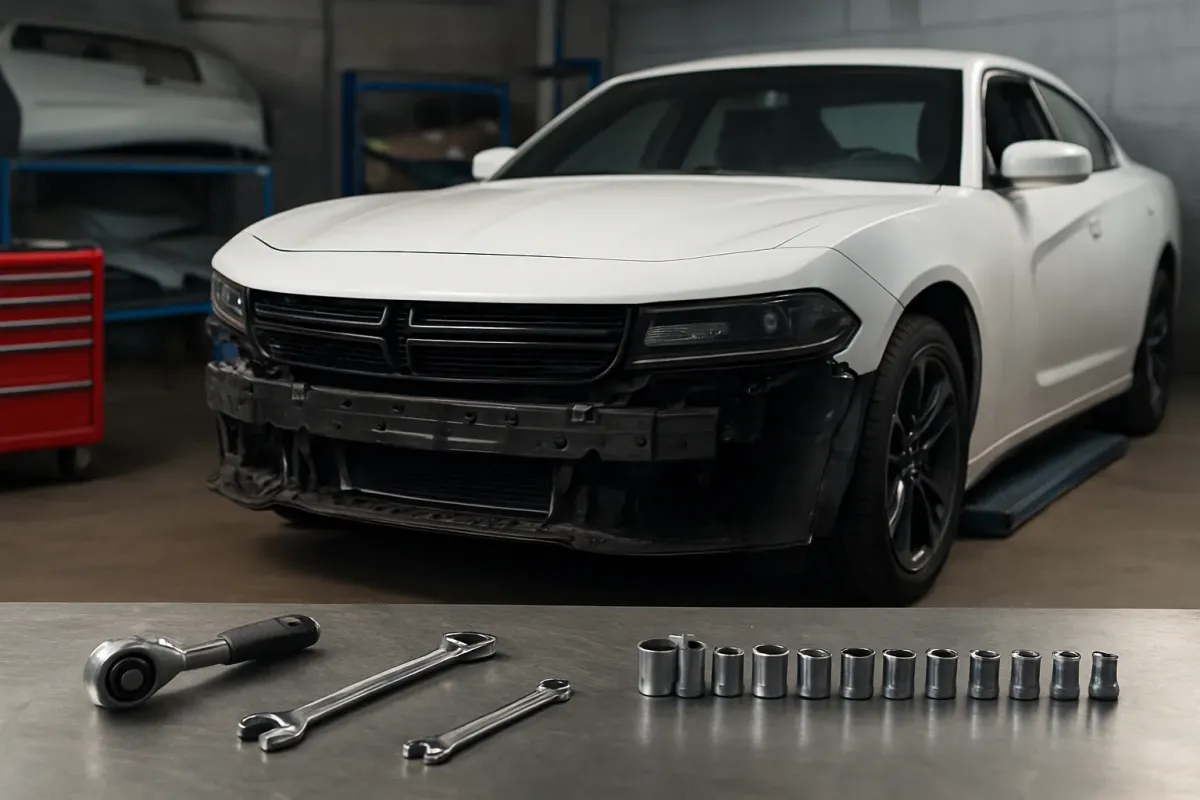
When it comes to the Dodge Charger, the selection of suitable body panels, add-on parts and accessories depends heavily on the model year, body variant and equipment. Before you order or fit parts, you should always have the vehicle identification number and the information in the vehicle documents ready and check in the shop’s vehicle selector whether the part fits your Charger.
In the category Karosserie-, Anbauteile & Zubehör you will find components such as bumpers, spoilers, hoods, fenders and attachments that are offered specifically for different Dodge Charger generations. Always pay attention to information on model years, equipment variants (e.g. Wide Body, SRT style) and any TÜV notes in the product description.
Original shape, tuning look or functional retrofit
Basically, for the Dodge Charger you can distinguish between three broad directions:
- Near-production replacement parts – if you want to restore the original condition after an accident or rust damage.
- Sporty / aggressive look – e.g. SRT- or Hellcat-inspired parts such as front lips, diffusers or hoods.
- Functional accessories – for example rear window louvers or attachments with improved airflow.
Which option you choose depends not only on taste but also on whether you need a registration or ABE/TÜV documents in Germany. You can find notes on this in the respective product description.
Bumpers, front lips and diffusers on the Dodge Charger
Bumpers and attachments at the front and rear largely determine the overall impression of the Dodge Charger. In the category Stoßstangen & -verstärker you will find suitable base shells, plus front spoiler lips and rear diffusers.
Front area: front fascia and spoiler lip
A front spoiler lip (chin spoiler) sits under the front fascia and is usually fastened with clips or screws. An example is the Frontspoilerlippe / Chin Spoiler für Dodge Charger 2015 - 2023 SRT V3 Stil. The following points are typically relevant during installation:
- Raise the vehicle and securely support the front on stands.
- Partially remove the inner fender liners to access the fastening points.
- Remove the old lip (if present), check clips and screws for damage.
- Hold the new lip in place, check alignment and use existing holes if possible.
- Tighten the screws to the torque specifications in the workshop manual.
Drilling into the original front fascia is model-dependent and sometimes necessary. Check the requirements in the installation instructions and the workshop manual in advance so that no mounts or lines are damaged.
Rear area: diffuser and rear attachments
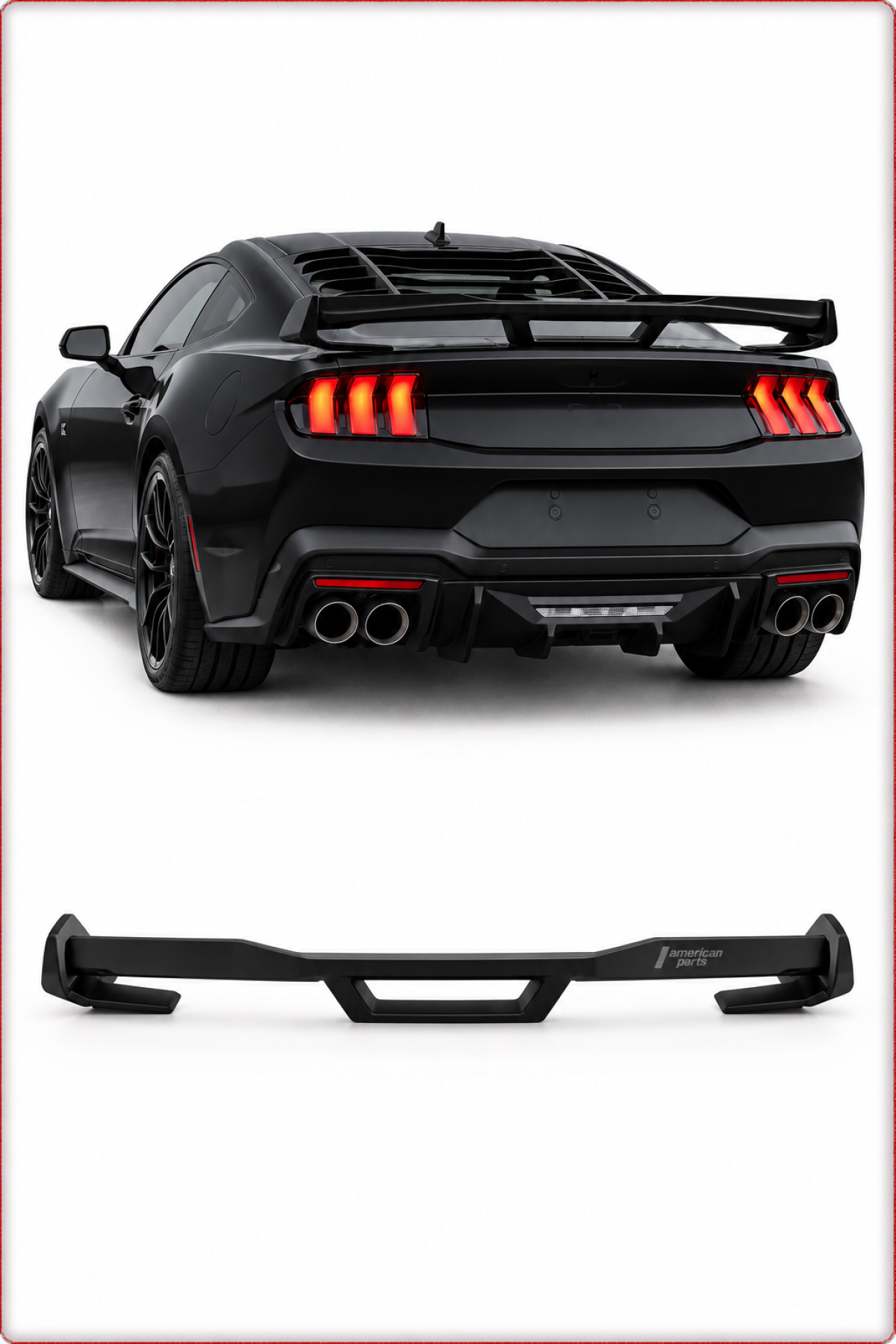
Diffusers can be retrofitted at the rear to change the look and airflow. For Wide Body models of the Dodge Charger there is, for example, the Heckdiffusor / hinten Diffusor für Dodge Charger 2020 - 2023 Wide Body / glänzend and another variant in a different design under diesem Link.
When replacing or retrofitting a diffuser it is important to:
- Check whether your Charger is actually a Wide Body model (vehicle documents / equipment codes).
- Before removing the original trim, disconnect parking sensors, reflectors or cable connections if necessary.
- Install the new diffuser loosely first, check gap dimensions, then finally fasten.
- Reinstall all sensors and retaining clips cleanly so there are no error messages or rattling noises.
Side skirts, fenders and side panels
The side profile of the Dodge Charger is defined by side skirts, fenders and side panels. Changes to these components are visually conspicuous and should be aligned cleanly so that panel gaps and door lines match.
Side skirts: appearance and underbody protection
Side skirts are usually attached under the doors to the rocker panel. An example is the Seitenschweller für Dodge Charger 2015 - 2023 SRT Stil / TÜV. These parts are generally screwed on or attached with clip strips, sometimes additionally supported with body adhesive.
Basic steps for installation:
- Wash the vehicle, clean and degrease the rocker areas thoroughly.
- Remove the old side skirt cover, pry out clips from the rear to avoid paint damage.
- Treat any rust spots on the rocker before fitting, prime if necessary.
- Hold the new side skirts in place as a test, mark drill holes if needed.
- Use sealant or corrosion protection on drilled holes to prevent later rust.
Many side skirt parts are vehicle-specifically shaped. Therefore always match the model year and equipment variant information with the vehicle documents.
Fenders and side panels: fit and panel gaps
When replacing a fender on the Dodge Charger, for example with a part like the Kotflügel vorne rechts für Dodge Charger 2015 - 2023, precise alignment is crucial.
Typical procedure for fender replacement:
- Remove the wheel and inner fender liner to access all screws.
- Mark transitions to bumper, rocker and hood (e.g. with masking tape) to document the original panel gaps.
- Carefully detach the fender, remove cable clips and, if applicable, side indicators.
- Screw the new fender on loosely first, align panel gaps with the door and hood, then tighten finally.
- After installation check door openings: the door must not rub anywhere on the fender.
Applying rust protection primer and underbody protection to the inner edges of the new fender extends durability, especially for vehicles used year-round.
Hoods, spoilers and other attachments
Visual upgrades on the Dodge Charger often involve the hood and spoilers. Here, in addition to appearance, function (airflow, weight, rear visibility) should also be considered.
Hoods: style and function
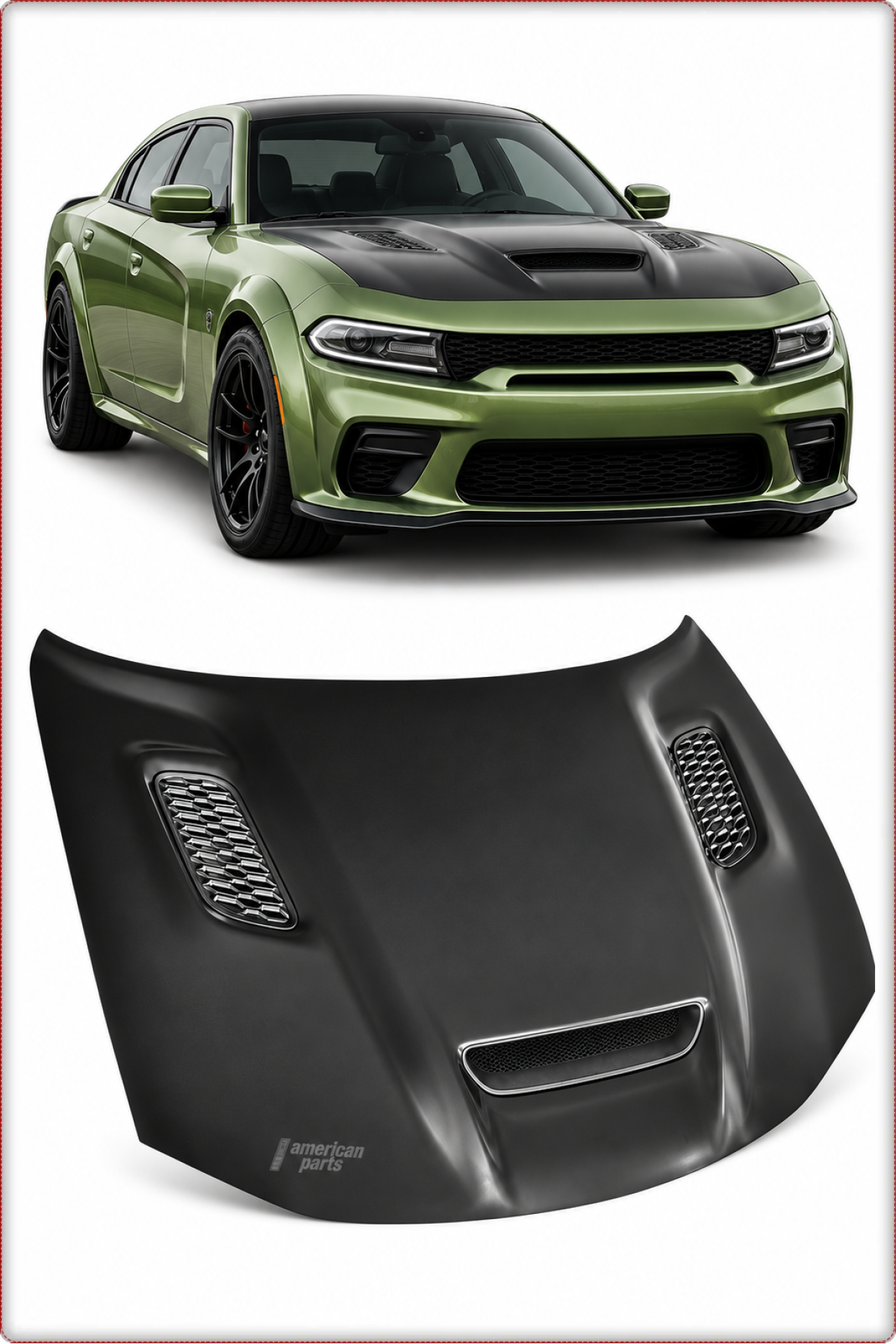
In the category Motorhauben you will find various versions. An example of a tuning hood is the Aluminium Motorhaube für Dodge Charger 2015 - 2023 Hellcat Redeye Stil.
When replacing the hood pay attention to the following:
- Check hood hinges and struts for condition; replace damaged parts before fitting the new hood.
- Work with two people to avoid distortion or paint damage.
- Center the hood, check panel gaps to fenders and front fascia.
- Adjust the latch mechanism and secondary catch correctly so the hood closes securely.
- For hoods with vents, check how water is drained and whether sensitive components in the engine bay need protection.
Depending on the design, a modified hood may require registration. Check the part documents and the requirements of the inspection authority.
Rear spoilers and wings
Rear spoilers significantly influence the rear lines of the Charger. In the category Heckspoiler & -flügel you will find different variants. A concrete example is the Heckspoiler für Dodge Charger 2015 - 2023 Rock Stil / TÜV schwarz matt.
Important points when installing a spoiler:
- Check whether your trunk lid already has holes or threaded inserts for a spoiler.
- If not, use a drilling template and mark drill points precisely.
- Deburr, prime and seal drill holes to prevent corrosion.
- Mount the spoiler with the supplied screws and, if applicable, sealing tapes.
- For TÜV-approved parts have the documents ready and clarify registration.
Accessories: louvers, grilles and fuel caps
In addition to the large body parts, there are a number of accessories for the Dodge Charger that change the look or bring practical benefits.
- Rear window louvers: The Abdeckung Jalousie Heckscheibe für Dodge Charger 2011 - 2023 schwarz glänzend is mounted on or to the rear window and alters both the appearance and the light conditions in the interior. A clean, degreased glass surface and exact alignment are important.
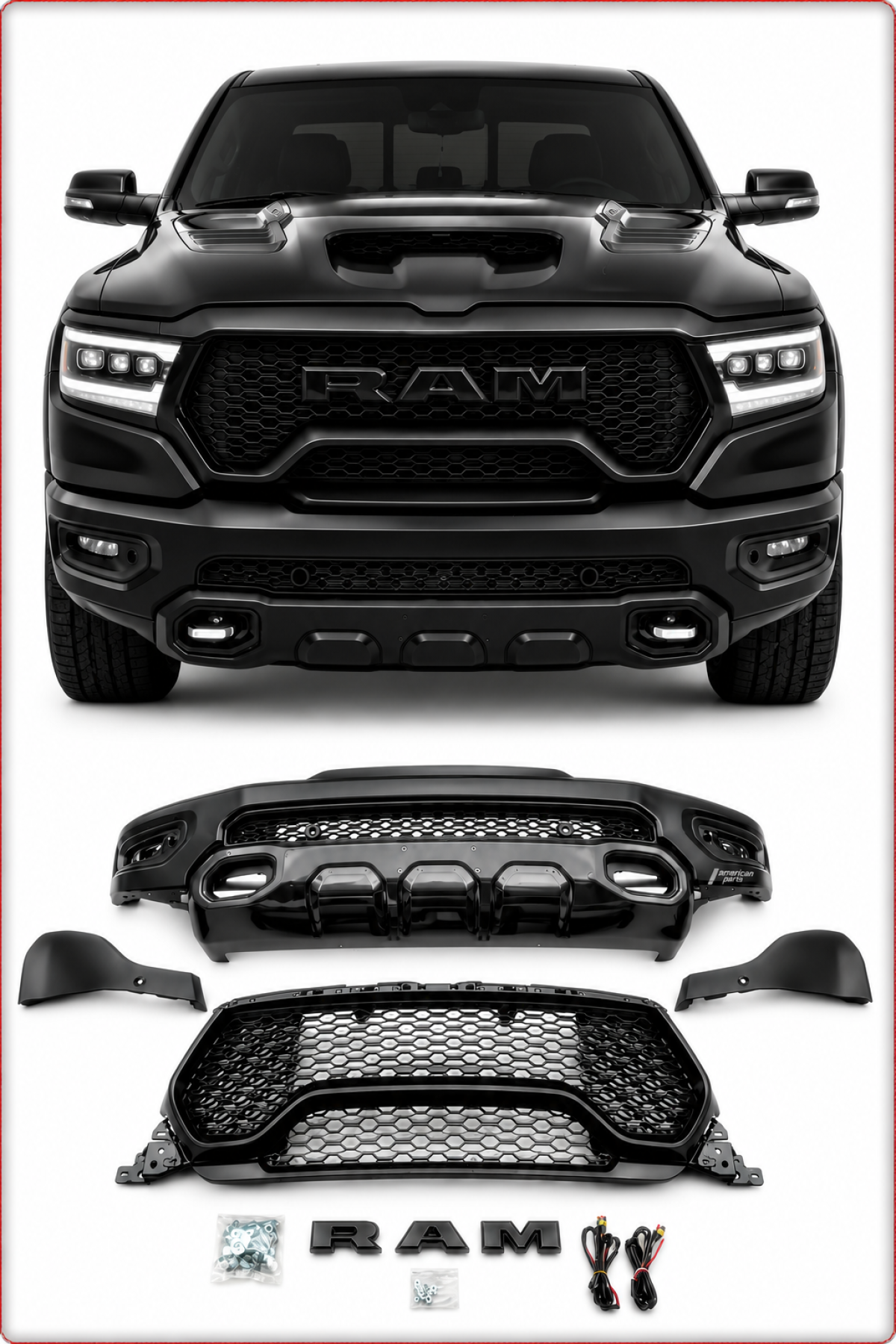
- Front & radiator grilles: In the category Front- & Kühlergrills you will find different designs. When replacing, be sure to note the fastening clips of the front fascia and the positions of parking sensors and emblems.
- Fenders, side walls & fuel cap: Under Kotflügel, Seitenwände & Tankdeckel you will find further trim parts and covers that are usually fastened with clips or screws. It is particularly important not to damage plastic clips here to avoid later rattling.
Check fitment and prepare installation
Whether you are fitting a small accessory or a complete body panel to the Dodge Charger, you should take time before final installation to check fitment and surface.
Dry fitting and surface inspection
- Always fit parts provisionally once before painting or final installation.
- Check panel gaps and edge lines and, if necessary, slightly bend mounts.
- For unpainted parts, follow the paint shop’s instructions before painting (sanding, filler, primer).
- Check rubber seals, clips and screws for wear and replace if necessary.
Many accessories are supplied with fasteners. If nothing is included or you want to reuse old screws, always compare thread diameter and length with the specifications in the workshop manual to avoid damage to threads and mounts.
Safety and legal aspects
Especially for attachments that affect aerodynamics, lighting or pedestrian protection, you should check whether an ABE, a parts certificate or registration is required. Notes on this are in the product description or the supplied documentation.
For all safety-relevant components (e.g. bumpers, crash reinforcements) and for all fastenings on load-bearing body parts, the torque specifications given in the vehicle documentation must be observed. If there are no specifications for accessories there, follow the supplied installation instructions or have the installation checked by a specialist workshop.
Avoid common installation mistakes
- Tightening too early: Always align parts completely first, then gradually tighten all screws in a cross pattern.
- Lack of corrosion protection: All newly made drill holes and exposed sheet metal edges should be primed and sealed.
- Forgotten clips and retainers: Unmounted clips lead to rattling noises and can loosen components.
- Sharp edges: Deburr edges after cutting or drilling to protect cables, hoses and seals.
- Ignoring the vehicle documentation: Always consult the workshop manual before working on airbags, sensors or wiring harnesses.
Frequently asked questions
How do I find out if a body part fits my Dodge Charger?
Always compare the model year, body variant and equipment codes of your Charger with the information in the shop. Use the VIN and the vehicle selector in the shop and also check the notes in the product description. If in doubt, vehicle documents or the workshop manual can help.
Can I install body and add-on parts on the Dodge Charger myself?
Many jobs such as installing spoilers, side skirt covers or louvers can be done with normal tools and some experience. For safety-relevant parts such as bumpers, crash reinforcements or work in the area of airbags and sensors, you should work precisely according to the workshop manual or involve a specialist workshop.
Do spoilers and other attachments on the Dodge Charger need to be registered?
That depends on the specific part. Some parts are supplied with TÜV certificates or ABE, others require registration. Check the documents of the respective part and, if in doubt, ask the inspection authority directly. Have vehicle documents, certificates and invoices ready.
Read next: Dodge Charger 2015–2023: choosing an aluminium hood